




4 Reasons Why the Holiday Season is Great for Your Job Search

The holiday season is upon us. Time to ease off your job search, and reroute that focus toward friends and family, right? Wrong.

Now is an optimal opportunity for job seekers to stand out from that crowded candidate pool — to think like a business does. Companies’ hiring needs aren’t guided by seasonal calendars. Neither should yours. Here are a few reasons why you should add the job search to your list of holiday to-dos this month.

1.  THERE’S LESS COMPETITION

We all need a break. And the period between Thanksgiving and New Year’s Day seems like the most sensible time to take that much-needed breather — which is exactly why you shouldn’t. Some employers use the end of the year to budget in new roles that need to be filled, or create a short list of candidates for key personnel to interview. Place yourself ahead of the competition, and keep plugging away. You’ll be glad you did.

2. THE SURPLUS OF NETWORKING OPPORTUNITIES

Not sure if you should attend those holiday parties or social events? Here’s a hint: go. To all of them. Amidst the cheer and chatter, feel free to slip your job search into the conversation — you never know where your next big lead will come from.

3. GET YOUR FOOT IN THE DOOR

The demand for professionals to fill temporary jobs is the norm come the end of the year, and it’s not uncommon for those positions to transition into full-time roles — for the right candidates.

Bottom line: treat all employment opportunities as a permanent job. An outstanding impression left on an employer may actually lead to one.

4. IT’S THE TIME TO CONNECT

The holiday season is when we’re most inclined to send cards and messages to friends, family and colleagues. Why not include your LinkedIn and other social media connections to that list? Use this opportunity to catch up, reestablish communication and, just maybe, find that perfect career move. Trust us — your bout of relaxation will feel even more deserved if you do.

Are you an accounting and finance professional looking to explore new career opportunities? The placement experts at Century Group are here to help. Visit our website to find your next career move.


Best Practices to Negotiate Your Salary

So you’re starting a new job. Did you negotiate your salary? Seems like an obvious tactic, sure. But for many job seekers, not always an easy one.

Don’t leave potential money at the table. Here are a few best practices to help negotiate your salary for that next job or promotion. Trust us, you’ll be happy you did.

KNOW YOUR WORTH

The first step to salary negotiations: do your research. Our recruiters regularly negotiate salaries on behalf of candidates, and understand that paying top professionals at market rate is key. The market dictates what people are making. And if one company isn’t willing to pay that, another one will.

Not sure how to price yourself? Century Group recommends looking to salary guides to find what peers in similar roles and/or backgrounds are making in your area. Arming yourself with that information is a useful tool when deciding on a number that makes sense for you.

STICK TO YOUR NUMBER

Now that you’re equipped with your role’s market value, it’s time to get specific. Be prepared with a number that you’re comfortable with. Most importantly, stay committed to it.

A salary range gives employers an out — an option to give you an offer that falls toward the lower end of that spectrum.

But with a specific dollar amount, they’re more likely to give you a final offer closer to the mark.

BACK IT UP WITH STATS

A sure way to prove you’re a good investment: show it. Whether it’s for a new role or a promotion, create a brag list of your accomplishments, skill set and career highlights to better help illustrate your value. Employers are gradually cluing into the notion that competitive pay is integral to securing skilled workers, but supporting your ask with how your work positively impacts the company’s bottom line may bolster your case.

3 Red Flags to Recognize Before Accepting a New Job

Searching for a job in the accounting and finance space can be exciting. But while you’re being offered positions, it’s crucial to remember that not every offer will necessarily be the right fit. Fortunately, when you know what to look out for, protecting yourself from a negative experience can be easier than ever. Here are three red flags to recognize before accepting a new job.

Unclear Job Descriptions

Make sure you understand exactly what is expected of you before accepting the job. Consider this: the job interview is when the company is on their best behavior. It’s during this time that they’re actively trying to impress you in hopes that you’ll join their team. If during the interview stage they’re unable to provide a clear outlook on the job you’re applying to, it could be foreshadowing what it would be like (if not worse) should you accept the position. Plus, if you’re having to ask questions to get this information from the hiring team, that’s also a bad sign. It’s standard practice to have clear expectations of what the job entails in the job posting.

Consider Salary or Lack of Benefits

Often when we think of salary as being a red flag, our minds gravitate toward the company offering too low of a salary. While that is a red flag to consider, a salary on the opposite end of the spectrum should also raise some questions. Typically, when applying for jobs, you’re well-versed in what the going salary range is. (If you’re not, check out our Salary Guide.) When a company offers a number far beyond that threshold, it can be tempting to accept it without any second thoughts. But you need to question why they would offer such a number. Ideally, they really just want to hire you. However, they could be signing you up for a role that stretches beyond the normal 9 to 5 schedule; a role with expectations that are greater than you realized. To reiterate point 1: there’s great importance in fully understanding the job description.

No Career Growth Potential

What will this role look like in the future? If career development within a role is important to you, you’re not alone. A recent study found that 83% of employees noted improving their skills as one of their top priorities. The role you’re applying for might be the perfect fit. But what about in three to five years time — will the role grow with you? Will you have opportunities to be promoted? If the answer is unclear on either of these questions, you might need to dig a bit deeper into the company culture. Accepting a job with little to no promised opportunities for growth is a temporary joy —  it’ll be great in the short term, but you might need to consider other options in the long term.  

Looking for more insight in the interview process? Check out these job search etiquette rules.

Key Questions Every Manager Should Ask in Employee Reviews

Employee reviews. A time when managers can find themselves intimidated with what questions to ask, and how to deliver meaningful feedback. Sure, while the idea is to assess an employee’s performance, identify areas for improvement and set goals for the future — the objective of these meetings is flooded with intention and purpose. And as a manager, to maximize the productivity and meaningfulness derived from these one-on-ones, you need to ask the right questions. That’s why we’ve rounded up the essential questions you should ask during employee reviews.

1. What have you achieved this year that you’re proud of?

The best way to put both parties at ease during the annual review? Starting off on a positive note. By asking this question, you’re able to shine a light on the employee’s strengths and provide validation for their hard work. Plus, this will help you when it comes to highlighting contributions toward the organization’s overall goals.

2. What were the biggest hurdles you faced this year?

Equally important to discussing accomplishments: recognizing challenges within your team. Likely you’re already aware of the key obstacles your team members have faced throughout the year, but utilize this as an opportunity to follow up. Ask the employee how they managed to overcome this challenge and if they would do anything differently. By encouraging employees to reflect on their problem-solving abilities, you can lead them to insights on how to tackle future obstacles. It also provides visibility into the challenges your team is facing, which better equips you in helping your team avoid those hurdles in the coming year.

3. What professional skills would you like to develop? How can I support you in this?

According to a Gallup survey, 61% of American workers say upskilling opportunities are an important reason to stay at their job, and 48% of workers would switch to a new job if offered skills training opportunities. So, consider this question important in the eyes of employee retention. Specifically, this question demonstrates your interest in the employee’s professional growth and shows that the organization is committed to helping them advance their career.

4. What are your goals for the upcoming year?

As a birds-eye-view type of follow-up to the previous question, ask your team members what their short- and long-term career goals are. Take time to consider if the skills they’re interested in developing align with the goals they share. If not, make recommendations for specific skills and focus areas to help them reach these goals.

5. What feedback do you have?

While the primary goal of the review is for you to provide feedback to your team members, it’s also crucial to allow time for your employee to share their own feedback with you. Often, there aren’t many organic opportunities for the employee to do so. By asking if they have any opinions or concerns, you’re demonstrating that you’re open to receiving input and are committed to improving the work culture.

Employee reviews are a crucial aspect of being a people leader — but they don’t have to be intimidating. By asking the right questions, you can ensure that employees feel valued, acknowledged and motivated to continuously improve. For more insights, check out our 2023 Q3 Accounting and Finance Employment Report.

2023 Q3 Accounting and Finance Employment Report

As we embark on the last half of 2023, the labor market in Q1 and Q2 exhibited surprising resilience — despite rate hikes and other measures by the U.S. Federal Reserve to help fight inflation. In fact, the Wall Street Journal says, “lay-offs are still at a historically low level,” and there continue to be more job openings than available candidates.

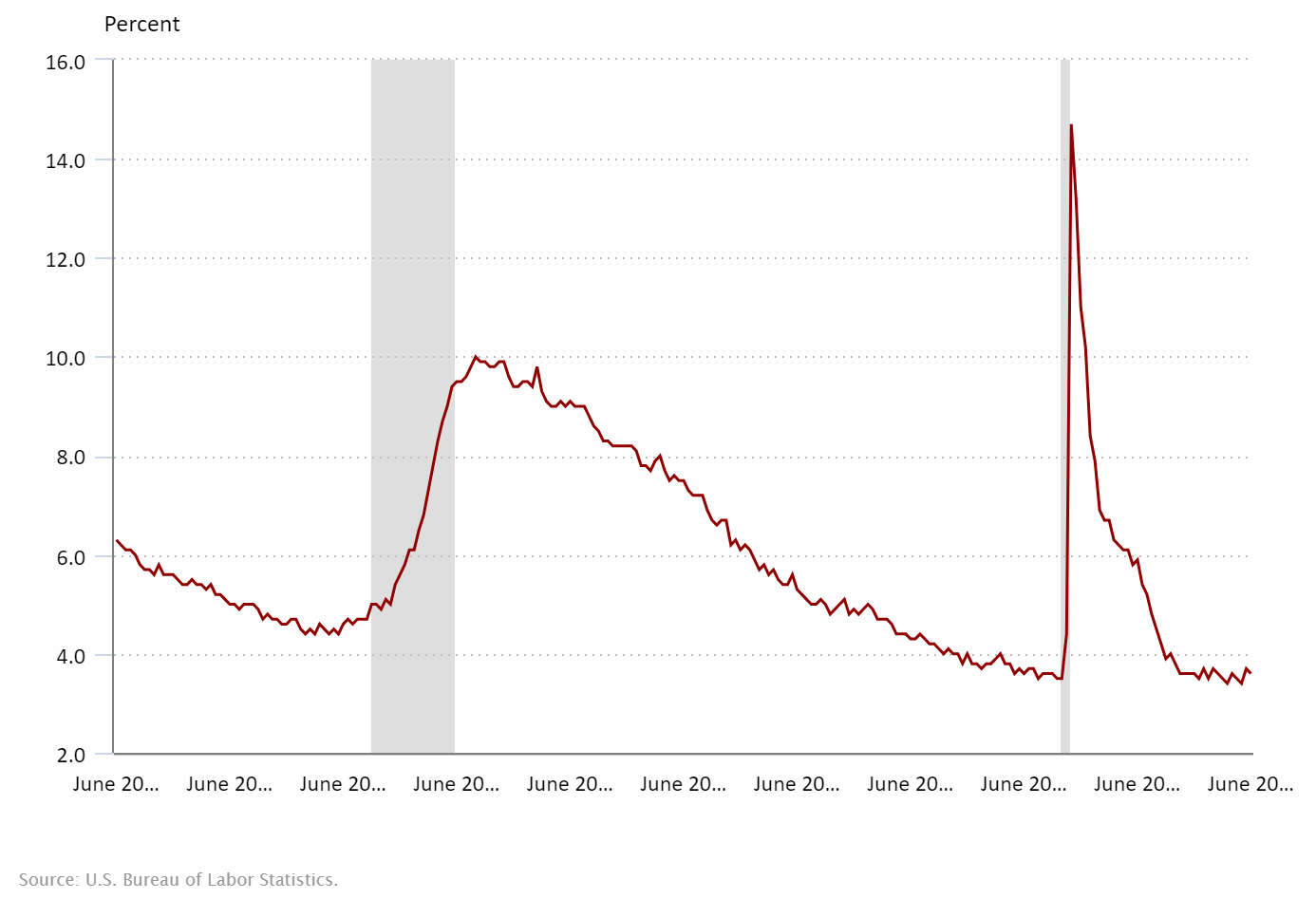
And, according to the U.S. Bureau of Labor Statistics, companies added 209,000 jobs to their payrolls in June, with the unemployment rate increasing slightly to 3.6% with gains in government, health care, social assistance and construction industries.

2023 Q3 employment report for accounting and finance professionals
Signs of a slow-down are making themselves known, however, with more white-collared professionals seeking the assistance of recruiting firms to aid in their next career move as employers become less urgent about growing their teams. We breakdown what both accounting and finance professionals and companies can expect for Q3 in our forecast.

For Employers

While employers are becoming increasingly selective in their hiring efforts, businesses need to adjust their leisurely pace when it comes to engaging with accounting and finance professionals. Why? Well, frankly, because there’s been a significant workplace exodus of skilled workers in these functions — with a drop of 17% in the past two years.

From the boomer generation starting to leave the workforce to job seekers transitioning to more alluring career paths in finance and technology, the talent gap has led to employers offering salary increases to win over talent or utilizing temporary consultants to manage workloads. Both are tactics in line with current hiring trends as we head into the second half of the year.

Our latest Salary Guide’s No.1 theme for 2023: money matters. And, according to Salary Budget Planning Survey by WTW, this could continue into next year.

“While we are seeing lower salary increases forecasted for next year, they’re still well above the ones we’ve seen for the past 10 years. This shows that companies are striving to stay competitive in an everchanging work climate,” says Hatti Johansson, a research director at WTW. “Those companies that have a clear compensation strategy as well as a pulse on the factors affecting it will be more successful attracting and retaining employees while keeping pace with an evolving environment in which yesterday’s certainties no longer apply.”

Our 2023 compensation report has current salary data for more than 40 accounting and finance roles to help employers ensure they are offering their prospective and current employees competitive salaries that are at or above market rate in their region.

Other key motivators of today’s workforce are engaging company cultures, as well as organizations that emphasize employee development and encourage feedback outside of annual reviews. One great way to make this part of your business’ operation? Regularly scheduled stay interviews to help establish an open line of communication.

For Job Seekers

The candidate shortage offers an exciting environment for seasoned accounting professionals. For one, experienced talent in this sector are particularly desirable in the current hiring landscape — paving the way for career opportunities that provide the growth, pay and benefits that are most important to them.

Secondly, this is an ideal time to explore additional job duties through temporary or contract work. Is there a software or industry that you’re looking to explore, but don’t have the chops for a direct hire role? Consulting provides the flexibility to tackle assignments on a temporary basis, allowing accounting and finance professionals to grow their experience and networks at various companies with competitive compensation. Many employers are more open to temporary hiring solutions as they navigate the changing market environment.

Partnering with staffing and recruiting experts can help in this quest — identifying job opportunities not currently on job boards and advocating for top-notch benefits and pay on your behalf. Contact our team today to get started!

Work Smarter, Not Harder This Summer

It’s no surprise that those in the fast-paced industry of accounting and finance are expected to work efficiently and productively. However, proverbial burnout is proving that working harder is not always the best strategy for long-term career success. The alternative? Making the most of your time and resources to achieve and maintain peak performance. A.K.A.: working smarter. Here are some tips on how to do it.

Improve Your Surroundings

If you’re noticing your productivity levels are depleting, the first step is to check in on your working conditions. Key descriptors of an ideal working environment include spots that are quiet, comfortable and free from distractions. If working remotely, try a change of scenery like a coffee shop or library. If you’re going into an office, try to make the space more enjoyable and comfortable with a plant or bring some nice headphones with you to “get in the zone.” The main goal is to achieve a state of mind where you’re completely absorbed in your work; that’s where you’ll be able to reach maximum efficiency. It’s also important to take regular breaks, stretch your legs and get some fresh air to help alleviate the risk of burnout.

Gamify Your Time

We live in an era where digital rewards are plenty. One strategy to increase your productivity at work this summer: gamify your time. Apps like Forest turn focusing on work into a game, limiting access to distractions on your phone to reach a goal. The app rewards you by growing a virtual forest the longer you stay focused. You can even share your progress with friends.

If you’re more of a pen-and-paper person, consider tracking your daily accomplishments. Adding a quantitative element to your daily goals provides a sense of fulfillment, which ultimately fuels productivity.

Reset Your Mindset

One shared characteristic of those that work smarter: they maintain a positive mindset. The way you treat yourself via thoughts and reactions plays a big role in your confidence level. Focus on the positive aspects of your work and remind yourself of the ultimate goal that’s being met because of your efforts. Celebrate your wins, learn from your setbacks and continually find ways to learn and grow.

What Does Success Look Like to You?

Finally, at the start of each work day, define what success will look like to you. Create a daily list of goals that could include breaking bigger projects into smaller, more achievable tasks. Also be sure to incorporate tasks that add a social element to your day, such as connecting with coworkers. Ultimately, by focusing on what’s truly important to you, you’ll boost the enjoyment of your work and be less apt to get distracted.
Find these tips a little too late? Check out these hacks on how to handle burnout.

The Job Search Etiquette Rules That Still Matter

Undoubtedly, job recruitment practices have changed and adapted over time – so too has job search etiquette. However, there are still some unwritten rules that have withstood the test of time. And, in the realm of accounting and finance where attention to detail is essential, adhering to these job search etiquette rules will ensure you leave no stone unturned. Let’s dive into the three rules to keep in mind before, during and after the job search process.

Before the Interview

Research. Before the interview takes place, it’s crucial to gain insight into the company you’re interviewing for. While it can be time consuming given all the positions you’re potentially applying to, coming into the interview with a few tidbits of insight in your back pocket holds benefits that are twofold. One, by taking the time to learn about what the company does, it shows your high-level of interest in the position. And two, it helps prepare you for the interview by learning about the company’s culture and values. 

So, when it comes to researching the company, where can you start? The company’s website, social media accounts and any recent news articles are all great jumping-off points. The key is to collect information about what the company does, their goals and their values. During the interview, connect what you’ve learned in your research back to you in a way that feels natural. Doing so successfully will highlight your qualities, show you did your research and create a connection between you and the company: a win-win-win.

During the Interview

One piece of etiquette that is often overlooked by the candidate, yet rarely missed by the interviewer: bringing your resume. While some candidates may feel it’s unnecessary to bring a copy of their resume to an interview, doing so has greater benefits than not. 

“I always recommend my candidates bring a copy of their resume to the interview, ” notes Deanna Gutman, Senior Director of Executive Recruiting. “Even if the hiring manager already has a copy on file, it shows them they are prepared and professional.”

Additionally, bringing your resume allows you the opportunity to reference specific details, making it easier to discuss past experiences. If possible, bring a few copies of your resume – that way the interviewer has the opportunity to share it with other members of the team should they want to. By printing them on high-quality paper and placing them in a portfolio, you’re adding to the sense of professionalism you bring to the interview room.

After the Interview

An attitude of gratitude goes a long way after an interview. Sending a follow-up email can make a significant impact by showing your high-level of interest in the job. In the email, thank the interview for the opportunity, reiterate your interest and mention one specific detail from the interview that you’re appreciative of. 

A follow-up email helps you stand out from other candidates and serves as a great reminder to the interviewer of your skills and qualifications. It proves you’re professional and can communicate effectively. 

Looking for more job interview hacks? Check out our tips on interview behavioral cues that hiring managers always notice.

Is it Time To Add Consultants to Your Hiring Strategy?

Today’s accounting and finance climate is fast-paced and evolving. That’s why — in order to stay ahead — companies need to be agile and adaptable. One way employers can optimize operations? By adding consultants to their hiring strategy. Hiring a consultant (or someone fulfilling a contracted position) allows businesses to bring in skilled workers for a specified time period — be it full- or part-time work. If you’re looking to achieve the following things, it’s likely time to consider adding consultants to your team.

1. Market Responsiveness

You’re likely well aware that the accounting and finance market is known to have sudden shifts — especially in today’s economy. That’s why one of the biggest benefits of adding consultants to your hiring strategy is the ability to react to those shifts. Companies that are slow to respond to sudden market changes can quickly find themselves falling behind. Consultants offer specialized knowledge and expertise that companies should use to their advantage to meet changing demands.

2. Flexibility

How can you react to changes with finite labor resources? As we enter a highly uncertain economic climate, flexibility is key. And a key benefit of working with consultants? You guessed it — flexibility. As new opportunities arise, many companies often don’t have the internal resources to handle the new work that comes subsequent to those opportunities. Without the time burden of hiring permanent staff, companies can quickly scale up their workforce efficiently by hiring consultants. This mitigates the risk of wasting resources while opening doors to expansion or reduction, as needed.

3. Diversity of Thought

When you add consultants to your team, you’re also adding fresh perspectives and new ideas. Often, employees currently immersed in a project have a harder time identifying new opportunities or approaches that might be offered from a fresh set of eyes. For that reason, companies can gain a competitive advantage by bringing on consultants.

4. Cost-efficiency

Working with consultants can be a cost-effective solution. Not only can the hiring and training of new long-term employees be time consuming, but it’s also expensive. Doing so also runs the risk of the new hire not working out. By working with consultants, companies have access to top-tier talent — without the long-term commitment and expense of hiring a full-time staff. A hybrid mix of long-term and contract employees on your team ensures you have the right talent in place. It also better allows you to complete projects on time and within budget.

Ultimately, adding consultants to your hiring strategy allows your team to be agile and adaptable. Learn more about today’s hiring landscape for finance and accounting professionals or one of our hiring experts to find the best solution for your team.

Why You Should Wait 6 Months in Your New Role

Starting a new role is twofold: exciting and nerve-wracking. It’s an experience likened to being a new character on season four of an ongoing television series. Everyone seems to be in a rhythm and you’re trying to catch up. It’s no surprise that many new employees feel overwhelmed — or even unsure — about their new role. In fact, around or before the six month mark, many begin to question if they’ve made the right decision in accepting the job offer. However, before you consider jumping ship, it’s important to give yourself time to acclimate. Here’s why.

Patience Is Key

Statistics show that it can take one to two years before an employee reaches their full productivity potential. What does that mean for you? It means that patience is key during this time. Give yourself a grace period. Starting a new role can be uncomfortable — especially within the first year as you’re taking everything in. During this initial period, you’re going to face a learning curve as you familiarize yourself with company policies, procedures and culture.

It takes time to get acclimated, build relationships and understand the ins and outs of your new role. In fact, it can take up to six months for the “light bulb” to turn on — or for things to start clicking — and for you to begin to feel comfortable in your new role. “

Acclimating

It’s also crucial to remember that every company operates differently. No two workplaces are alike, which can take some time to adjust to. By giving yourself the full six months to acclimate, you’ll be able to reflect on whether or not this company and role align with your long-term career goals and work style. From there, you can make a more informed decision on whether or not to stick with it.

Building Your Resume

Another important consideration: your resume. Leaving a job too soon can potentially have negative consequences on your professional reputation. Future employers may see a pattern of consistently leaving jobs after a short period as being flighty, which can be a red flag for hiring managers.

Plus, leaving a job early on doesn’t allow you enough time to build valuable resume-building skills and experiences that can be beneficial in the long term. So, take the time to learn, grow and gain valuable experiences before jumping ship. In doing so, you’ll give yourself the best chance for long-term professional success.

Are you considering making a career move? Submit your resume today to connect with one of our recruiting experts.

2023 Q2 Accounting and Finance Employment Report

The Big Picture

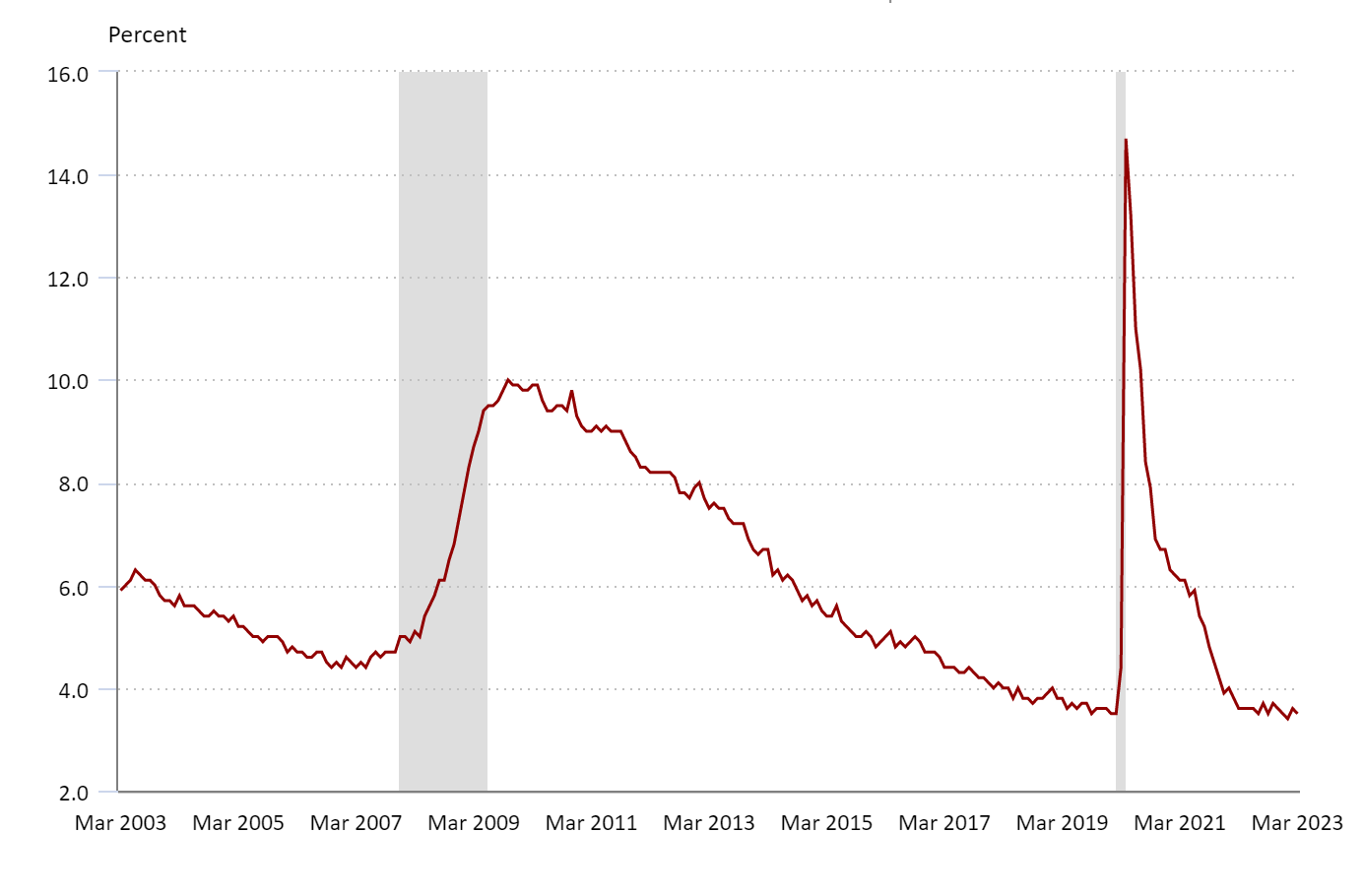
Employers increased their payrolls by 236,000 jobs in March—including gains in leisure and hospitality, professional and business services, government and health care industries. And the national unemployment rate dipped slightly from February’s 3.6% back down to 3.5%.
Q2 2023 accounting and finance employment
Credit: U.S. Bureau of Labor Statistics

This growth remains healthy by traditional standards but lay-off announcements and rising interest rates have begun to decelerate employers’ hiring efforts. Still, the labor shortage for accounting and finance professionals has created a different experience for this community of workers—as well as the companies who hire them.

We break down our forecast of what employers and job seekers can expect in Q2.

For Employers

More than 300,000 accountants and auditors have left their profession in the past two years, according to the U.S. Bureau of Labor Statistics. The cause? Well, a few things. Generational shifts in the workplace is one factor, with many baby-boomer professionals heading toward retirement. But probably most concerning for employers is the significant drop of recent graduates entering the field and a large group of professionals of all ages exiting since 2019. In fact, the Association of International Certified Professional Accountant’s reports a near 9% decrease in accounting majors for quite some time now — seeing the drop as early as 2012. Other more enticing fields, like finance and technology, are providing more of a draw to these workers recently.

In response, companies have raised accounting and finance role salaries to help attract more talent to filling open positions. An article in The Wall Street Journal says the starting salaries for entry-level U.S. accountants and auditors rose 13% to nearly $61,000 a year in 2022. Employers hesitant to make serious hiring decisions in this market are now turning to temporary or temp-to-hire solutions to address the lack of talent, while still getting the accounting and finance departments’ workload addressed.

Starting salaries for entry-level U.S. accountants and auditors rose 13% to nearly $61,000 a year in 2022.

Partnering with staffing and recruiting firms that have viable, up-to-date talent networks who have the experience to hit the ground running is an essential resource in 2023. These hiring experts have an intimate understanding of the latest hiring trends that are currently swaying candidates’ decisions and can offer insights on how to win talent over. Another tactic that’s proven successful for employers is broadening qualifications for certain roles and hiring for potential rather than specific credentials or experience that can be learned on the job.

For Job Seekers

While the trajectory for accounting, tax, finance and audit professions may seem lackluster— the potential in these roles can be fulfilling and lead to long, exciting careers. Not only is it lucrative, especially with the current talent shortage, but this profession can provide the foundation for those more enticing opportunities in technology or finance down the road.

Now’s the time to explore what this field has to offer. Take on temporary or temp-to-hire positions to expand your knowledge, software experience and industry knowledge. Learn what type of benefits, culture and career development initiatives are most important to you and seek them out in prospective roles. To jump-start this process, check out our latest job opportunities in an area near you.